
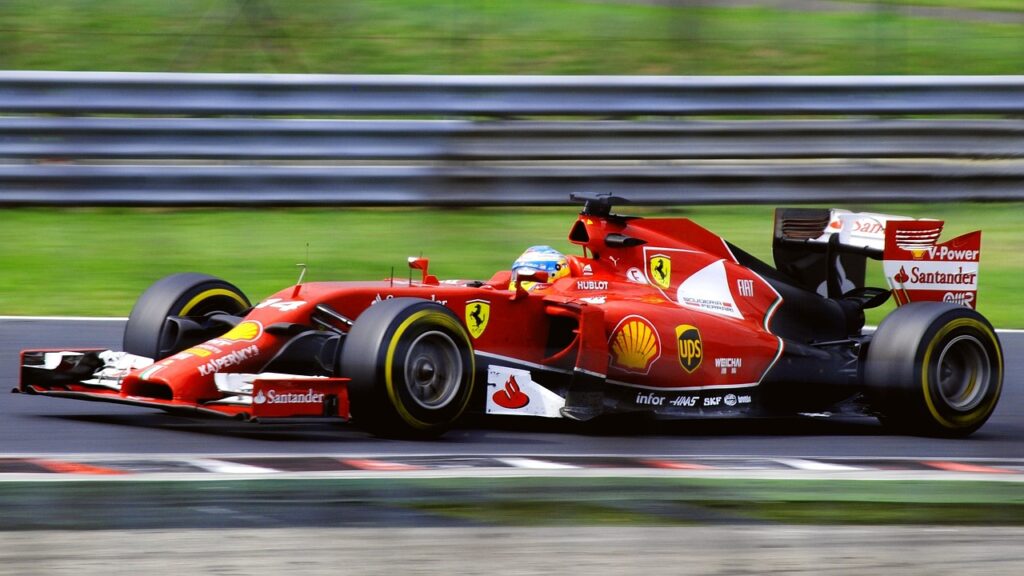

Formula 1 (F1) racing is undergoing a significant transformation with the implementation of advanced strategies – a complex interplay of human intuition and technological innovation – that are redefining the sport. These strategies, which include sophisticated tire management (the process of choosing the right tires for the track conditions and managing their degradation – or loss of performance – over time) and intricate pit stop tactics (the practice of making strategic decisions about when to stop for fuel, tires, and repairs during a race), are crucial in determining the outcome of races. The effective use of these strategies can mean the difference between winning and losing. With the increasing competitiveness of the sport, teams are continually seeking ways to improve their performance and gain an edge over their rivals. As a result, advanced strategies have become a key component of F1 racing. The combination of experienced drivers, skilled engineers, and cutting-edge technology is creating a new era of competition in the sport.
The world of F1 is characterized by high-speed racing, where split-second decisions can have a significant impact on the outcome of a race. The use of advanced strategies is allowing teams to make more informed decisions and optimize their performance. By analyzing data from previous races and using complex algorithms (a set of instructions used to solve a problem or make a decision) to predict future outcomes, teams can develop effective strategies to outmaneuver their competitors. Furthermore, the sport is witnessing a significant increase in the use of technology, including advanced materials and innovative designs, to improve car performance.
📝 Table of Contents
A Closer Look at Formula 1 Advanced Strategies
Advanced strategies in F1 involve a range of complex decisions, including team orders (instructions given by a team to its drivers, often to benefit one driver over another), pit stop tactics, and tire management. These decisions require careful consideration of various factors, such as track conditions, weather, and car performance. Teams must also consider the strengths and weaknesses of their drivers, as well as those of their competitors, to develop effective strategies. The use of data analysis and simulation tools is becoming increasingly important in this process, allowing teams to test different scenarios and predict the outcome of various decisions.
One key aspect of advanced strategies in F1 is the concept of tire management. This involves selecting the right tires for the track conditions and managing their degradation over time. Different types of tires have varying levels of grip (the traction or friction between the tires and the track surface) and durability (the ability of the tires to withstand the stresses of racing), and teams must carefully choose which tires to use at different stages of the race. The ability to manage tire degradation effectively can significantly impact a team’s performance, as tires that are too worn out can lead to reduced grip and increased stopping distances.
| Tire Type | Grip Level | Durability | Ideal Conditions |
|---|---|---|---|
| Soft | High | Low | Cool, dry tracks |
| Medium | Medium | Medium | Mild temperatures, moderate track conditions |
| Hard | Low | High | Hot, abrasive tracks |
| Wet | Low | Medium | Rainy or damp conditions |
Top Formula 1 Innovations to Know
1. Advanced Aerodynamics
Advanced aerodynamics (the study of the interaction between air and solid objects, such as cars) play a crucial role in F1, as they can significantly impact a car’s performance. By optimizing the shape and design of the car, teams can reduce drag (the force that opposes the motion of the car) and increase downforce (the force that pushes the car onto the track, improving traction and cornering ability). This can lead to improved handling and increased speed. The use of advanced computer simulations and wind tunnel testing allows teams to test and refine their aerodynamic designs, making them more efficient and effective.
The development of advanced aerodynamics is an ongoing process, with teams continually seeking ways to improve their car’s performance. The use of complex algorithms and machine learning techniques is becoming increasingly important in this process, allowing teams to analyze large amounts of data and make more informed decisions. By combining these technologies with the expertise of experienced engineers and drivers, teams can develop innovative solutions to improve their car’s aerodynamics and gain a competitive edge.
What You Gain:
- Improved handling and cornering ability, allowing drivers to take corners faster and more confidently
- Increased speed and acceleration, giving teams a competitive advantage on the track
- Enhanced overall performance, leading to better race results and a higher championship standing
2. Sophisticated Tire Management
Sophisticated tire management is critical in F1, as it can significantly impact a team’s performance. By carefully selecting the right tires for the track conditions and managing their degradation over time, teams can optimize their car’s performance and gain a competitive edge. The use of advanced data analysis and simulation tools allows teams to predict tire degradation and develop effective strategies to manage it. This can involve adjusting the car’s setup (the configuration of the car’s suspension, wings, and other components) and driving style to minimize tire wear and maximize performance.
Tire management is a complex process, requiring careful consideration of various factors, including track conditions, weather, and car performance. Teams must also consider the strengths and weaknesses of their drivers, as well as those of their competitors, to develop effective strategies. The use of advanced technologies, such as sensors and data analytics, is becoming increasingly important in this process, allowing teams to gather detailed information about their tires and make more informed decisions.
What You Gain:
- Optimized tire performance, leading to improved handling and increased speed
- Reduced tire degradation, allowing teams to extend the life of their tires and reduce the need for pit stops
- Enhanced overall performance, resulting in better race results and a higher championship standing
3. Innovative Pit Stop Tactics
Innovative pit stop tactics are a key component of F1 strategy, allowing teams to gain a competitive edge by minimizing the time spent in the pits. By developing effective pit stop strategies, teams can reduce the time lost during pit stops and improve their overall performance. The use of advanced data analysis and simulation tools allows teams to predict the outcome of different pit stop scenarios and develop optimized strategies. This can involve adjusting the timing and number of pit stops, as well as the type of tires used, to minimize the impact on the team’s performance.
Pit stop tactics are highly dependent on the specific circumstances of the race, including the track conditions, weather, and car performance. Teams must also consider the strengths and weaknesses of their drivers, as well as those of their competitors, to develop effective strategies. The use of advanced technologies, such as automated pit stop systems and data analytics, is becoming increasingly important in this process, allowing teams to optimize their pit stop performance and reduce the risk of errors.
What You Gain:
- Reduced time spent in the pits, allowing teams to minimize the impact of pit stops on their performance
- Improved overall performance, resulting in better race results and a higher championship standing
- Enhanced competitiveness, giving teams a strategic advantage over their rivals
4. Advanced Driver Assist Systems
Advanced driver assist systems are becoming increasingly important in F1, as they can significantly improve a driver’s performance. By providing drivers with real-time data and feedback, these systems can help them optimize their driving style and gain a competitive edge. The use of advanced technologies, such as sensors and data analytics, allows teams to gather detailed information about their cars and drivers, and develop effective strategies to improve their performance. This can involve adjusting the car’s setup and driving style to minimize tire wear and maximize speed.
Driver assist systems are highly dependent on the specific needs of the driver and the team, and can involve a range of different technologies and strategies. The use of advanced data analysis and simulation tools allows teams to predict the outcome of different scenarios and develop optimized strategies. By combining these technologies with the expertise of experienced drivers and engineers, teams can develop innovative solutions to improve their performance and gain a competitive edge.
What You Gain:
- Improved driver performance, resulting in faster lap times and better race results
- Enhanced driver safety, reducing the risk of accidents and injuries
- Increased competitiveness, giving teams a strategic advantage over their rivals
5. Strategic Team Orders
Strategic team orders are a key component of F1 strategy, allowing teams to optimize their performance and gain a competitive edge. By giving instructions to their drivers, teams can coordinate their efforts and achieve their goals more effectively. The use of advanced data analysis and simulation tools allows teams to predict the outcome of different scenarios and develop optimized strategies. This can involve adjusting the driving style and pit stop strategy of one or both drivers to achieve a specific goal, such as gaining a position or consolidating a lead.
Team orders are highly dependent on the specific circumstances of the race, including the track conditions, weather, and car performance. Teams must also consider the strengths and weaknesses of their drivers, as well as those of their competitors, to develop effective strategies. The use of advanced technologies, such as data analytics and communication systems, is becoming increasingly important in this process, allowing teams to optimize their strategy and achieve their goals more effectively.
What You Gain:
- Improved team performance, resulting in better race results and a higher championship standing
- Enhanced competitiveness, giving teams a strategic advantage over their rivals
- Increased flexibility, allowing teams to adapt to changing circumstances and achieve their goals more effectively
How This Affects Everyday Life
✔ Improved Safety Features
The development of advanced safety features in F1, such as impact-resistant materials and protective gear, has a significant impact on everyday life. These technologies are being adapted for use in road cars, improving safety for drivers and passengers. The use of advanced materials and designs is also being applied to other areas, such as aerospace and healthcare, where safety is a critical concern.
✔ Enhanced Fuel Efficiency
The pursuit of fuel efficiency in F1 has led to the development of advanced technologies, such as hybrid powertrains and aerodynamic designs. These innovations are being applied to road cars, reducing fuel consumption and emissions. The use of advanced materials and designs is also being used to improve the efficiency of other vehicles, such as trucks and buses, which can have a significant impact on the environment.
✔ Increased Competitiveness
The use of advanced strategies in F1 has increased competitiveness in the sport, with teams continually seeking ways to improve their performance. This culture of innovation and competition is being applied to other areas, such as business and education, where it can drive growth and improvement. The use of advanced technologies and strategies is also being used to improve the performance of individuals and teams, allowing them to achieve their goals more effectively.
✔ Better Data Analysis
The use of advanced data analysis in F1 has improved the sport’s competitiveness and performance. This technology is being applied to other areas, such as healthcare and finance, where it can be used to make more informed decisions. The use of advanced data analysis is also being used to improve the performance of individuals and teams, allowing them to optimize their strategy and achieve their goals more effectively.
✔ Enhanced Collaboration
The use of advanced strategies in F1 has promoted collaboration and teamwork within the sport. This culture of cooperation is being applied to other areas, such as business and education, where it can drive growth and improvement. The use of advanced technologies and strategies is also being used to improve the performance of individuals and teams, allowing them to achieve their goals more effectively.
✔ Increased Innovation
The pursuit of innovation in F1 has led to the development of advanced technologies, such as advanced materials and designs. These innovations are being applied to other areas, such as aerospace and healthcare, where they can have a significant impact. The use of advanced technologies and strategies is also being used to improve the performance of individuals and teams, allowing them to achieve their goals more effectively.
| Technology | Application in F1 | Potential Applications |
|---|---|---|
| Advanced Materials | Lightweight components, improved safety | Aerospace, healthcare, automotive |
| Hybrid Powertrains | Improved fuel efficiency, increased performance | Automotive, aerospace, energy generation |
| Advanced Aerodynamics | Improved downforce, reduced drag | Aerospace, automotive, wind energy |
| Data Analytics | Improved strategy, enhanced performance | Healthcare, finance, education |
Emerging Directions
- Predictive Maintenance: The use of advanced data analysis and machine learning to predict and prevent equipment failures, reducing downtime and improving overall performance.
- Artificial Intelligence: The integration of AI into F1 strategy, allowing teams to make more informed decisions and optimize their performance.
- Electric Powertrains: The development of electric powertrains in F1, reducing emissions and improving efficiency.
- Advanced Driver Assist Systems: The development of more sophisticated driver assist systems, improving safety and performance.
- Increased Collaboration: The promotion of collaboration and teamwork within F1, driving innovation and improvement.
The application of predictive maintenance in F1 can have a significant impact on the sport, allowing teams to optimize their performance and reduce the risk of mechanical failures. This technology can also be applied to other areas, such as aerospace and healthcare, where it can improve safety and efficiency.
The use of AI in F1 can revolutionize the sport, enabling teams to analyze vast amounts of data and make more accurate predictions. This technology can also be applied to other areas, such as finance and education, where it can improve decision-making and performance.
The introduction of electric powertrains in F1 can have a significant impact on the sport, reducing its environmental footprint and improving its sustainability. This technology can also be applied to other areas, such as automotive and energy generation, where it can reduce emissions and improve efficiency.
The use of advanced driver assist systems in F1 can enhance safety and improve performance, allowing drivers to focus on the track and optimize their strategy. This technology can also be applied to other areas, such as automotive and aerospace, where it can improve safety and efficiency.
The culture of collaboration in F1 can have a significant impact on the sport, driving innovation and improvement. This culture can also be applied to other areas, such as business and education, where it can promote growth and development.
Wrapping Up
The world of F1 is characterized by high-speed racing, sophisticated technology, and innovative strategies. The use of advanced strategies, such as team orders, pit stop tactics, and tire management, is critical in determining the outcome of races. By combining these strategies with the expertise of experienced drivers and engineers, teams can develop innovative solutions to improve their performance and gain a competitive edge. The application of these technologies and strategies can also have a significant impact on everyday life, improving safety, efficiency, and innovation in a range of areas.
The future of F1 is exciting and uncertain, with emerging technologies and innovations poised to transform the sport. The use of predictive maintenance, artificial intelligence, and electric powertrains can revolutionize F1, improving performance, safety, and sustainability. As the sport continues to evolve, it is likely that we will see even more innovative strategies and technologies emerge, driving growth and improvement in the world of F1 and beyond.
The impact of F1 on everyday life is significant, with the sport driving innovation and improvement in a range of areas. From advanced safety features to increased competitiveness, the technologies and strategies developed in F1 can have a profound impact on our daily lives. As the sport continues to evolve and innovate, it is likely that we will see even more exciting developments and applications in the future.