
The Forex market is the largest financial market in the world, with over $6 trillion in daily transactions, offering opportunities for individuals and institutions to trade currencies and potentially profit from exchange rate fluctuations. For a beginner, this number can be overwhelming, but understanding its significance can open doors to new financial opportunities. The size of the Forex market is due to the constant need for countries, companies, and individuals to exchange currencies – for instance, when traveling abroad or importing goods from another country. This market operates 24 hours a day, 5 days a week, making it highly liquid and accessible. As a result, the Forex market has become a platform for speculation, where participants can buy and sell currencies with the aim of making a profit. To start navigating this complex world, it’s essential to grasp the basics and understand how it works.
📝 Table of Contents
A Closer Look at Forex
Forex, short for Foreign Exchange (a market where participants can buy, sell, and exchange currencies – essentially, the rate at which one currency can be exchanged for another), is a global marketplace where national currencies are traded against each other. This trading determines the relative values of different currencies. In simple terms, if someone wants to buy something from another country, they need to pay in the currency of that country, which means they have to exchange their own currency for the foreign one. The exchange rate – the price of one currency in terms of another – is what determines how much of one currency is needed to buy a certain amount of another currency. To get started in Forex, one must understand the key terms involved. Here’s a glossary to help beginners:
| Term | Plain-English Meaning |
|---|---|
| Forex | The foreign exchange market, where currencies are traded. |
| Currency Pair | The quotation and pricing structure of the currencies traded in the Forex market – for example, the value of one currency in terms of another, like EUR/USD. |
| Broker | An intermediary that connects buyers and sellers in the Forex market, often providing a platform for trading. |
| use | Using borrowed capital to increase the potential return of an investment, which can also increase the risk. |
| Spread | The difference between the bid (the price at which you can sell a currency) and the ask (the price at which you can buy a currency), which is essentially the broker’s fee for the transaction. |
| Pip | The smallest unit of price for any currency (a pip is typically one-hundredth of one percent), representing the smallest amount by which a currency quote can change. |
Why Forex Matters
Forex (a case study) matters because it provides a platform for individuals, businesses, and institutions to manage their foreign exchange risks and speculate on the movement of currencies. This market is crucial for international trade and investment, as it enables companies to convert their earnings from foreign sales into their domestic currency and facilitates cross-border investments. Additionally, the Forex market offers opportunities for speculation – similar to stock markets, where people buy and sell shares hoping to make a profit, in Forex, participants buy and sell currencies with the aim of profiting from exchange rate fluctuations. For example, if someone predicts the value of the Euro will increase against the US dollar, they can buy Euros (effectively betting on the Euro to rise), and if their prediction is correct, they can sell the Euros for a higher price, making a profit.
The impact of Forex is far-reaching. In 2020, the average daily trading volume in the global Forex market was over $6.6 trillion. This large volume indicates the market’s liquidity and its ability to facilitate large transactions without significantly affecting exchange rates. Moreover, the Forex market’s influence extends beyond currency trading; it affects inflation, interest rates, and economic growth, making it a significant factor in a country’s economic health. For instance, a country with a strong and stable currency can attract foreign investment, boost trade, and experience economic growth, while a weak and volatile currency can lead to inflation, decreased investment, and economic instability.
Forex also benefits various groups of people, including tourists, businesses, and investors. Tourists can exchange their money for foreign currencies when traveling abroad, businesses can engage in import and export activities knowing they can manage their foreign exchange risks, and investors can diversify their portfolios by investing in foreign assets. The Forex market operates on a global scale, making it accessible to almost anyone with an internet connection and a trading account. This accessibility has democratized the market, allowing individuals to participate in global economic trends and potentially benefit from the fluctuations in currency values.
Major Forex Developments
Step 1: Choosing a Forex Broker
Choosing a Forex broker is a crucial step in starting Forex trading. A Forex broker – an intermediary that connects buyers and sellers in the Forex market – should be reliable, offer competitive spreads (the difference between the bid and ask prices), and provide a user-friendly trading platform. To choose a broker, one should research different options, read reviews, and compare the services and fees offered by each broker. A common beginner mistake is selecting a broker based solely on the lowest fees without considering the quality of the service and the security of the platform.
The process of choosing a broker involves several steps, including researching the broker’s reputation, understanding the fees and commissions, and testing the trading platform. It is also important to ensure the broker is regulated by a reputable financial authority, which provides a level of protection for the trader’s funds. The benefits of choosing the right broker include better trading conditions, improved customer support, and increased security for the trader’s account.
- Why It Works: A good broker can provide tight spreads, reducing the cost of trading.
- Why It Works: A reliable broker offers a stable and secure trading environment, protecting the trader’s funds.
Step 2: Understanding Forex Trading Platforms
Understanding Forex trading platforms is essential for successful trading. A Forex trading platform – software used to execute trades and manage accounts – should be easy to use, offer advanced trading tools, and provide real-time market data. The most popular platforms include MetaTrader and cTrader, which are known for their user-friendly interfaces and extensive technical analysis tools. To use these platforms effectively, traders need to learn about the different types of orders (such as market orders, limit orders, and stop-loss orders), how to set up charts and indicators, and how to manage their trades.
The process of using a trading platform involves learning the platform’s features, practicing with a demo account, and starting with small trades to minimize risks. A common mistake beginners make is overcomplicating their trades with too many indicators and analysis tools, which can lead to confusion and poor decision-making. The benefits of mastering a trading platform include faster execution of trades, better analysis of market trends, and more efficient management of trading accounts.
- Why It Works: A good trading platform can provide fast and reliable trade execution, minimizing slippage.
- Why It Works: Advanced trading tools can help traders make more informed decisions and improve their trading strategies.
Step 3: Learning Technical Analysis
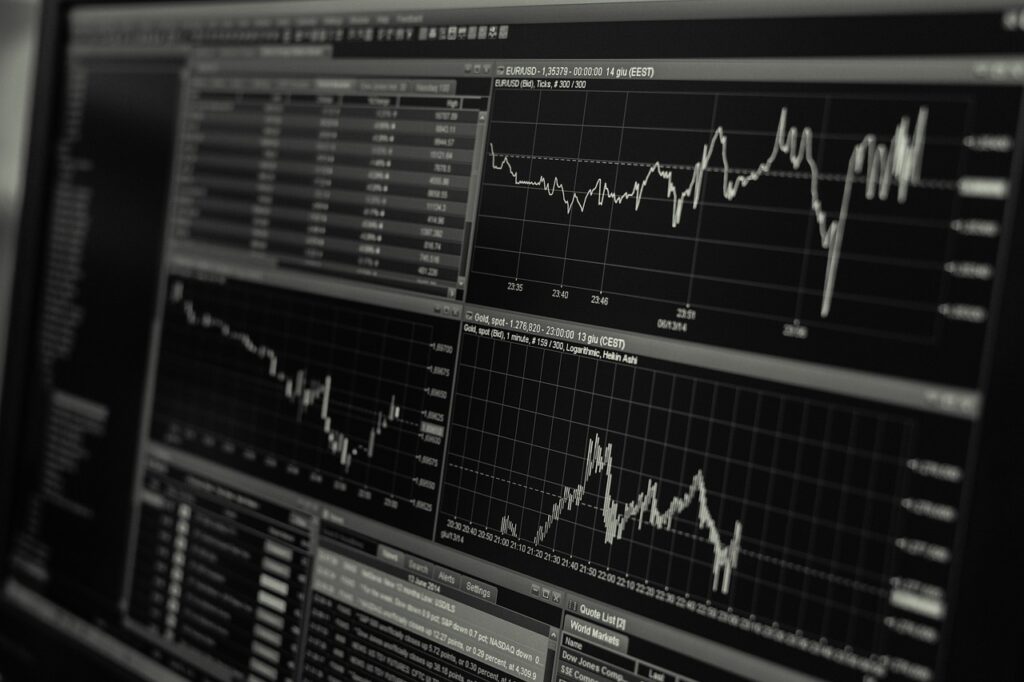
Learning technical analysis is a key component of Forex trading. Technical analysis – the study of past market data, primarily price and volume, to forecast future market behavior – helps traders identify trends, predict price movements, and make informed trading decisions. Technical analysis involves using charts and technical indicators, such as moving averages and the Relative Strength Index (RSI), to analyze market trends and patterns. To learn technical analysis, traders should start by understanding the basics of chart patterns, such as trends, reversals, and continuations, and then proceed to learn about more complex indicators and strategies.
The process of learning technical analysis involves studying chart patterns, practicing with historical data, and applying the analysis to current market conditions. A common mistake is relying too heavily on technical analysis without considering fundamental factors, such as economic news and events, which can significantly impact currency prices. The benefits of learning technical analysis include improved trading decisions, better risk management, and increased confidence in trading abilities.
- Why It Works: Technical analysis can help traders identify potential trading opportunities and avoid false signals.
- Why It Works: By understanding chart patterns and trends, traders can make more accurate predictions about future price movements.
Step 4: Developing a Trading Strategy
Developing a trading strategy is essential for achieving success in Forex trading. A trading strategy – a set of rules that define when to enter and exit trades – should be based on the trader’s goals, risk tolerance, and market analysis. To develop a strategy, traders should define their trading objectives, choose the currency pairs to trade, and decide on the trading timeframe (such as day trading or long-term investing). A common mistake beginners make is not having a clear strategy, leading to impulsive and emotional trading decisions.
The process of developing a trading strategy involves setting clear goals, analyzing market data, and testing the strategy with a demo account. The benefits of having a well-defined trading strategy include improved discipline, reduced emotional trading, and increased profitability.
- Why It Works: A clear strategy helps traders stay focused and avoid impulsive decisions based on emotions.
- Why It Works: By testing a strategy, traders can refine their approach and improve their trading performance.
Step 5: Managing Risk
Managing risk is a critical aspect of Forex trading. Risk management – the process of identifying, assessing, and mitigating potential risks – involves setting stop-loss orders, limiting position sizes, and avoiding over-leveraging. To manage risk, traders should understand their risk tolerance, set realistic goals, and use proper risk management tools. A common mistake is not setting stop-loss orders, which can lead to significant losses if the market moves against the trader.
The process of managing risk involves assessing the potential risks of a trade, setting appropriate stop-loss levels, and adjusting the position size according to the trader’s risk tolerance. The benefits of effective risk management include protecting trading capital, minimizing losses, and maintaining a healthy trading mindset.
- Why It Works: Proper risk management can limit potential losses and protect the trading account.
- Why It Works: By managing risk, traders can maintain their confidence and stay in the market for the long term.
Step 6: Staying Informed
Staying informed is vital for Forex traders. Staying informed involves following market news, analyzing economic indicators, and understanding the impact of global events on currency prices. Traders should stay up-to-date with the latest market analysis, economic data releases, and geopolitical events that can affect the Forex market. A common mistake is not staying informed, leading to missed trading opportunities and unexpected market movements.
The process of staying informed involves following reputable news sources, setting up market alerts, and regularly reviewing economic data. The benefits of staying informed include making more accurate trading decisions, anticipating market trends, and adjusting trading strategies accordingly.
- Why It Works: Being informed helps traders anticipate market movements and make informed decisions.
- Why It Works: Staying up-to-date with market news can provide traders with a competitive edge in the market.
Step 7: Continuously Learning
Continuously learning is essential for achieving long-term success in Forex trading. The Forex market is constantly evolving, with new trends, strategies, and technologies emerging regularly. To stay ahead, traders must commit to ongoing education and professional development. This involves attending webinars, reading trading books, and participating in online forums to stay updated with the latest trading strategies and market analysis. A common mistake is assuming that learning stops after the initial training, leading to stagnation and poor trading performance.
The process of continuous learning involves setting aside time for education, seeking feedback from experienced traders, and applying new knowledge to trading practices. The benefits of continuous learning include improved trading skills, adaptability to changing market conditions, and increased confidence in trading abilities.
- Why It Works: Continuous learning helps traders adapt to changing market conditions and improve their trading strategies.
- Why It Works: By staying updated with the latest knowledge, traders can refine their skills and achieve better trading results.
| Step | What You Do | Expected Result |
|---|---|---|
| 1. Choose a Forex Broker | Research and select a reliable Forex broker. | Secure and reliable trading environment. |
| 2. Understand Forex Trading Platforms | Learn to use a Forex trading platform effectively. | Efficient trade execution and management. |
| 3. Learn Technical Analysis | Study and apply technical analysis techniques. | Improved trading decisions and market predictions. |
| 4. Develop a Trading Strategy | Create and refine a personal trading strategy. | Disciplined and profitable trading approach. |
| 5. Manage Risk | Implement effective risk management techniques. | Protection of trading capital and minimization of losses. |
| 6. Stay Informed | Follow market news and analysis regularly. | Informed trading decisions and anticipation of market trends. |
| 7. Continuously Learn | Commit to ongoing education and professional development. | Adaptability to changing market conditions and improved trading performance. |
Frequently Asked Questions
What is the Best Time to Trade Forex?
The best time to trade Forex depends on the currency pair and the trader’s strategy. However, the most liquid and volatile trading sessions are typically during the overlap of the European and American sessions, when major financial hubs like London and New York are active. This period, usually between 9:00 AM and 12:00 PM ET, offers the most opportunities for trading due to higher liquidity and tighter spreads. Nonetheless, the best trading time can vary based on the specific currency pairs being traded and the trader’s personal schedule and preferences.
How Much Money Do I Need to Start Trading Forex?
The amount of money needed to start trading Forex can vary significantly depending on the broker, the type of account, and the trader’s goals. Some brokers offer micro or mini accounts that can be opened with as little as $100, while others may require a minimum deposit of $1,000 or more for a standard account. The key is not the amount of money but rather the ability to manage risk effectively and maintain a sufficient margin to avoid margin calls. It’s also important to understand that use in Forex can magnify both gains and losses, so caution and proper risk management are essential.
What are the Risks of Forex Trading?
Forex trading involves several risks, including market risk (the risk that the market will move against the trader’s position), credit risk (the risk that the counterparty will default), liquidity risk (the risk that the trader will not be able to enter or exit a trade at a favorable price), and operational risk (the risk of losses due to inadequate or failed internal processes). Additionally, the use of use can amplify these risks, leading to significant losses if not managed properly. It’s crucial for traders to understand these risks and implement strategies to mitigate them, such as proper risk management and position sizing.
Can I Trade Forex Part-Time?
Yes, it is possible to trade Forex part-time. Many traders successfully trade on a part-time basis, fitting their trading activities around their work schedules or other commitments. This can involve trading during specific sessions, such as the Asian, European, or American sessions, or focusing on longer-term trading strategies that require less frequent market monitoring. Part-time traders need to be highly disciplined, able to analyze markets quickly, and make decisions based on their trading strategy without being able to monitor the markets constantly.
How Do I Know Which Currency Pairs to Trade?
Choosing which currency pairs to trade depends on several factors, including the trader’s strategy, market conditions, and personal preferences. Major currency pairs, such as EUR/USD, USD/JPY, and GBP/USD, are often preferred by beginners due to their high liquidity and tighter spreads. However, other pairs, including commodity currencies like AUD/USD and NZD/USD, or emerging market currencies, can offer attractive opportunities for those who understand the underlying economies and are willing to take on more risk. It’s essential to research and understand the characteristics of each currency pair before trading.
The Big Picture
Forex trading offers a unique opportunity for individuals and institutions to participate in the global economy, potentially profiting from fluctuations in currency values. By understanding the basics of Forex, developing a trading strategy, and continuously learning, traders can navigate the complexities of the market and achieve their financial goals. The Forex market’s size, liquidity, and accessibility make it an attractive platform for those looking to diversify their investment portfolios or speculate on currency movements. As with any form of investment, it’s crucial to approach Forex trading with caution, discipline, and a deep understanding of the risks and rewards involved.
The path into Forex trading requires patience, dedication, and a willingness to learn. It’s essential to start with a solid foundation, understanding the key concepts and terminology of the Forex market. From there, traders can develop their skills, refine their strategies, and adapt to the ever-changing market conditions. Whether trading Forex as a hobby, a part-time activity, or a full-time profession, the potential for growth and learning is immense.
Ultimately, success in Forex trading comes from a combination of knowledge, experience, and the right mindset. By embracing the challenges and opportunities of the Forex market, traders can unlock new possibilities for financial growth and independence. With its global reach, high liquidity, and the potential for significant returns, the Forex market stands as a fascinating and rewarding arena for those willing to invest the time and effort into mastering its intricacies.